What is "In The Sun"?
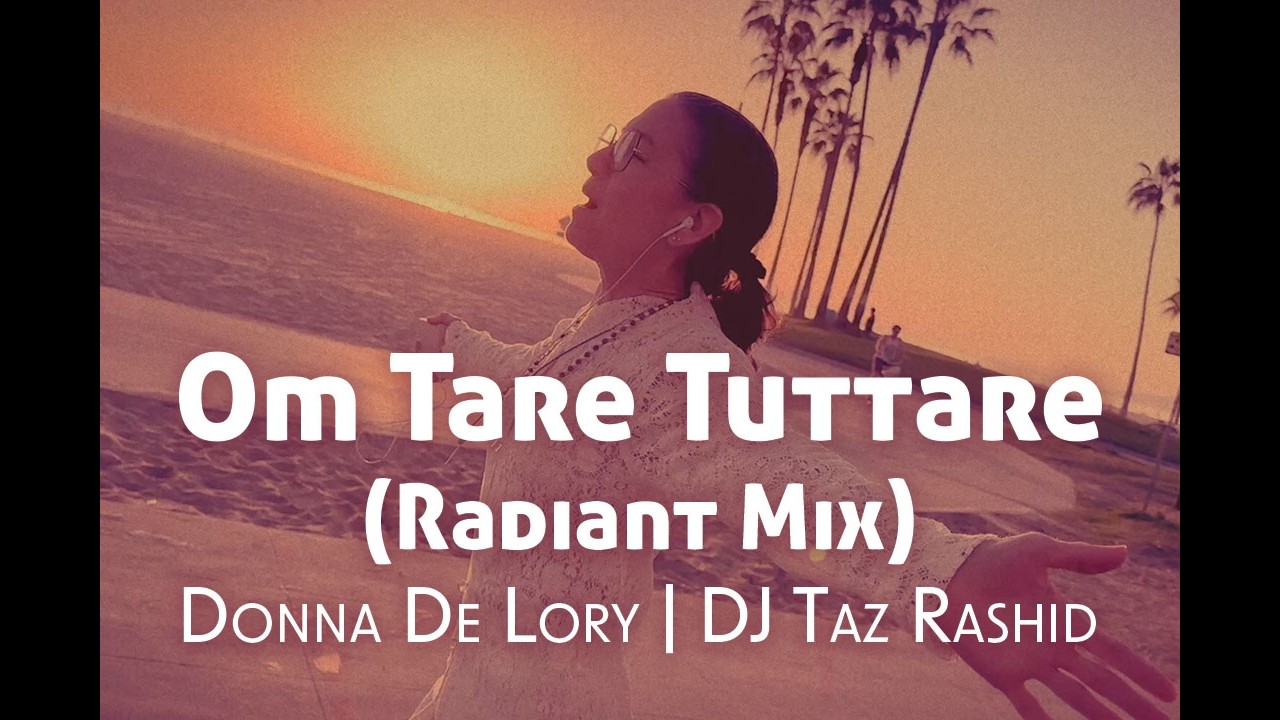
"In The Sun" is a kirtan composition by Donna De Lory, featured on her 2024 album In The Glow. Kirtan—the Sanskrit chanting tradition of call-and-response singing—serves as a vehicle for devotional practice and inner awakening. This particular piece uses solar and light imagery to explore themes of divine radiance, spiritual illumination, and the experience of resting in presence. Rather than presenting abstract theology, the song invites listeners into a direct, sensory encounter with the quality of consciousness De Lory associates with being held in the light of the divine.
How does the title "In The Sun" function as spiritual teaching?
The title itself operates on multiple registers. Literally, the sun is a source of heat, energy, and life—the star around which all terrestrial existence orbits. Metaphorically, across many spiritual traditions, the sun represents divine consciousness, the eye of God, or the luminous awareness that sustains all being. By positioning consciousness or presence "in the sun," De Lory suggests not a distant transcendence, but an intimate, warming reality that is fundamentally available. The image invites practitioners away from seeking something hidden or remote, and instead toward recognizing the light they are already within.
In Hindu and tantric philosophy, solar symbolism frequently represents the masculine principle of awareness, illumination, and activity. Yet De Lory's use of the image in kirtan tends toward inclusivity—the sun's light reaches all, without discrimination. This democratic quality of divine presence is central to how many contemporary kirtan artists understand and transmit the teachings.
What role does the album "In The Glow" play?
In The Glow is the larger artistic and spiritual container in which "In The Sun" resides. The album title suggests sustained warmth, proximity to light, and the state of being suffused in radiance. Rather than seeking an external, distant perfection, "in the glow" describes an already-present condition—the luminosity that surrounds and permeates all things. Each track on the album, including "In The Sun," appears designed to attune the listener to this glow, to recognize it, and to rest in its reality.
Kirtan albums function differently than conventional music records. They are often understood as spiritual technologies—sonic maps for consciousness. When a listener engages with In The Glow, they are not simply consuming entertainment but participating in a lineage of devotional practice that aims to shift perception and deepen awareness. The repetition inherent in kirtan, combined with melody and rhythm, creates a meditative space where the discriminating mind can settle, and a more intuitive, heart-centered knowing can emerge.
Who is Donna De Lory, and what is her role in the kirtan tradition?
Donna De Lory is a widely respected kirtan artist, vocalist, and spiritual musician with decades of experience in devotional practice and teaching. Her work draws on deep study within Hindu philosophy, bhakti (devotional) traditions, and contemplative practice. She has developed a particular gift for making ancient Sanskrit chants and modern kirtan compositions accessible to Western practitioners while maintaining the authentic spiritual intention behind the form.
De Lory's approach to kirtan emphasizes clarity, heart-centered singing, and genuine spiritual inquiry. She does not treat the practice as performance spectacle but as authentic transmission—a way of awakening consciousness through sound, repetition, and collective participation. Her albums, including In The Glow, reflect years of refinement, spiritual study, and dedication to the lineage.
How does kirtan function as a spiritual practice?
Kirtan operates as a form of active meditation. Unlike silent sitting practice, which emphasizes stillness and inner focus, kirtan invites movement, vocalization, and collective participation. In a live kirtan session, one person (the lead vocalist) chants a mantra, phrase, or spiritual invocation, and the community responds in unison. This call-and-response creates a hypnotic, self-reinforcing loop that naturally settles the conceptual mind.
The repetition is intentional. As the same words, phrases, and melodies are sung again and again, the thinking mind—which depends on novelty and variation—gradually quiets. In that quieting, the practitioner may experience what the tradition calls bhakti—devotion, love, and direct feeling. The sound itself (called nada in Sanskrit) is understood as a manifestation of divine reality; thus, chanting sacred names or qualities is not merely symbolic but a direct engagement with those qualities.
Kirtan also serves a physiological function. The repetition of Sanskrit syllables stimulates different energy centers (chakras) in the body and creates specific vibrational patterns said to attune the nervous system toward balance and healing. Many practitioners report profound shifts in mood, clarity, and heart-opening after kirtan sessions, whether experienced in person or through recorded form.
What does it mean to be "in the sun" in contemplative practice?
In meditation and contemplative traditions, directional and spatial language often describes states of consciousness rather than literal locations. To be "in the sun" might describe being in a state of unconcealment, clarity, or what is sometimes called sattva—the quality of luminosity, purity, and light-filled awareness in Hindu philosophy. It contrasts with darkness, obscuration, or ignorance (often called tamas).
Practically, this could mean resting in a quality of consciousness that is warm, all-pervading, and that naturally nourishes all life. Many practitioners describe experiences of being held in presence, bathed in warmth and light, as moments of profound peace and belonging. The kirtan invites the listener to access or remember this quality—not as something distant or requiring extraordinary effort, but as something available now, something that is already the case.
De Lory's composition, by naming and singing this state, acts as a mirror or reminder. The listener need not achieve or earn this condition; the practice is one of recognition and surrender into what is already present.
Why would someone listen to "In The Sun" today?
In a cultural moment marked by fragmentation, information overload, and existential uncertainty, kirtan offers a counter-current. The form provides a structured, sensory-rich way to quiet the mind, reconnect with the heart, and remember the sacred dimension of existence. "In The Sun," specifically, with its imagery of light and radiance, offers a subtle teaching on presence and the availability of divine consciousness.
For practitioners with established meditation or yogic practices, kirtan serves as a complement—activating devotion and emotional opening alongside more austere practices. For newcomers to spiritual exploration, the music is immediately accessible; one need not understand Sanskrit or philosophy to benefit from the calming, focusing effect of the chant. The song functions across multiple levels simultaneously.
Additionally, De Lory's musical craftsmanship ensures that "In The Sun" is not merely doctrinally correct but genuinely beautiful. The melody is memorable, the production polished, and the vocal performance sincere. This combination of artistic integrity and spiritual authenticity is rare and valuable.
Where to go from here
If "In The Sun" resonates with you, consider exploring the full album In The Glow to experience how De Lory develops and deepens these themes across multiple compositions. You might also investigate live kirtan sessions in your area or online—the collective energy of group chanting is distinct from the solo listening experience, though both have merit.
For those interested in understanding the theological and philosophical foundations of kirtan, texts like the Bhagavad Gita, the Bhakti Sutras, or contemporary dharma teachers' writings on devotion offer rich context. Donna De Lory's website and social media channels feature additional teachings, performances, and resources for deeper engagement with the practice.
Ultimately, the invitation of "In The Sun" is immediate: to listen, to allow the sound and meaning to work on you, and to notice what shifts in your own awareness. The kirtan tradition teaches that consciousness responds to sound, to intention, and to the sincere effort to awaken. This song is an offering toward that awakening.