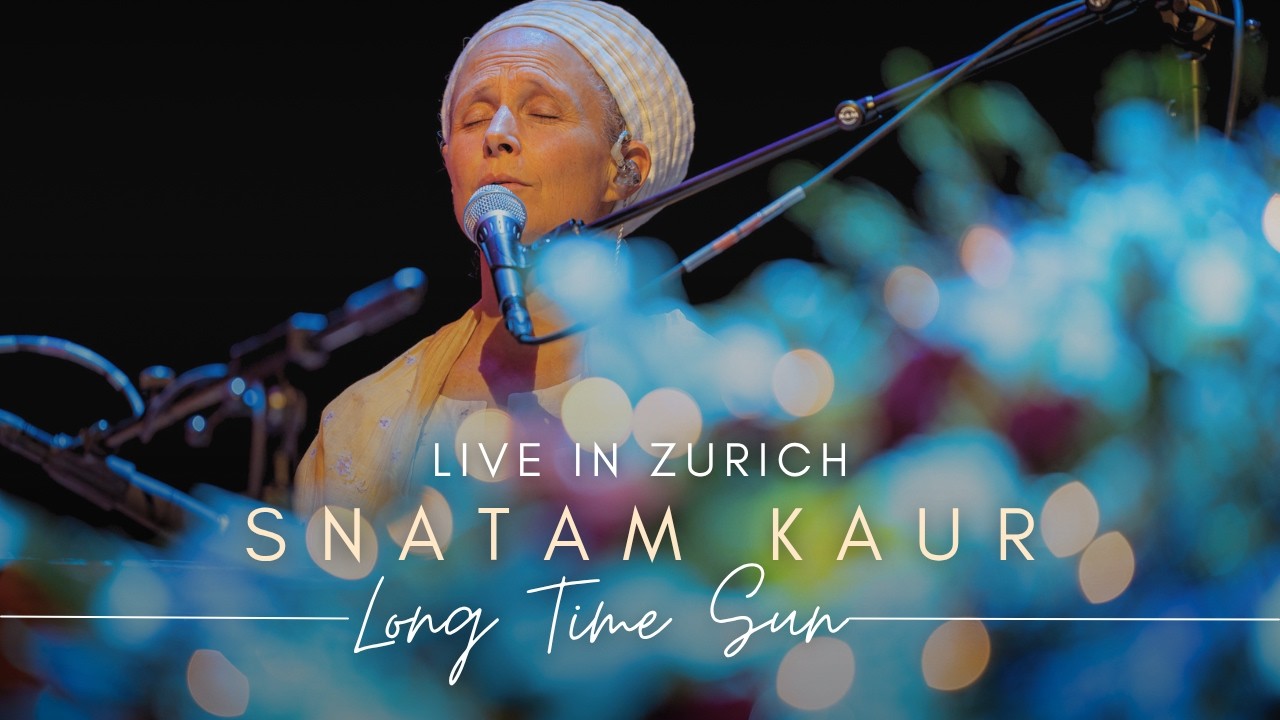
Ong Namo is the opening mantra of Kundalini yoga tradition, a sacred invocation that translates as "I bow to the infinite creative consciousness" or "I bow to the creative wisdom within." Performed here as a live concert performance by Snatam Kaur, GuruGanesha Singh, and accompanied teachers, this mantra serves as a tuning fork for the nervous system and a gateway to deepening spiritual practice. The chant establishes a direct link between individual consciousness and universal energy, making it foundational to Kundalini yoga classes and personal meditation.
What Does Ong Namo Mean in Kundalini Yoga?
Ong Namo is composed of two Sanskrit elements: "Ong," which represents the infinite creative consciousness or universal energy, and "Namo," which means "I bow to" or "I honor." Together, the phrase translates to "I bow to the infinite creative consciousness" or "I bow to the creative wisdom within." In the Kundalini yoga tradition, this mantra serves as an invocation—a conscious acknowledgment and alignment with a force larger than the individual self.
The mantra functions as more than poetic language. In the Kundalini system, sound carries vibrational frequency. When chanted, Ong Namo creates a specific resonance in the body and nervous system. The elongated "Ong" sound (pronounced with a nasal quality) activates the crown chakra and upper energy centers, while the grounding "Namo" brings awareness back into the body. This combination creates a state of humble receptivity—essential for receiving the benefits of spiritual practice.
Why Is Ong Namo Used at the Beginning of Kundalini Yoga?
Kundalini yoga classes universally begin with Ong Namo for a specific reason: it establishes a tuning fork for consciousness. Before engaging in physical postures (asanas), breath work (pranayama), or deeper meditation, the nervous system must be oriented toward receptivity and alignment. Ong Namo acts as a reset button, shifting awareness from scattered everyday thinking into a state of spiritual intention.
The mantra also establishes a protective energetic boundary and creates what practitioners call "a link to the Golden Chain"—the lineage of teachers, wisdom keepers, and spiritual masters who have practiced and transmitted Kundalini yoga through history. By invoking Ong Namo, practitioners consciously align themselves with this lineage, drawing on their accumulated wisdom and energetic support. This is not mysticism in the abstract sense; it is a practical mechanism for accessing accumulated knowledge and focusing intention.
Without this opening invocation, a Kundalini yoga session remains merely physical exercise. With it, the practice becomes a form of meditation and spiritual technology—a deliberate rewiring of consciousness toward greater awareness, compassion, and connection to the divine.
How Does Chanting Ong Namo Affect the Nervous System?
Chanting activates the vagus nerve, which runs from the brainstem down through the body and regulates the parasympathetic nervous system—the "rest and digest" state. When you vocalize sound, particularly with nasal resonance (as in the "Ong" sound), you stimulate the vagus nerve directly. This triggers a cascade of physiological changes:
- Heart rate variability increases, indicating greater nervous system flexibility and resilience
- Cortisol (stress hormone) levels decrease, allowing the body to shift out of fight-or-flight mode
- Endocrine glands are activated, particularly the pituitary gland in the brain, which regulates hormone production
- Electromagnetic coherence in the heart increases, creating a state of harmony between heart, mind, and body
The specific pronunciation of Ong Namo—with emphasis on the nasal "ng" sound at the end of "Ong"—creates vibration in the sinuses and upper palate. This stimulates the anterior pituitary gland, which is central to endocrine balance. The mantra is not arbitrary; it is precisely engineered sound technology designed to create specific physiological outcomes. When chanted in community, as in the live concert performance featuring Snatam Kaur and GuruGanesha Singh, these effects are amplified. The synchronized voices create harmonic frequencies that entrain the nervous systems of listeners and participants, bringing the entire group into coherence.
What Is the Role of the Teacher in Transmitting Ong Namo?
In Kundalini yoga and Sikh spiritual tradition, the teacher is not merely an instructor but a transmitter of consciousness. When a teacher like Snatam Kaur chants Ong Namo, they are not simply producing sound; they are channeling a specific frequency of spiritual intention and wisdom. This is why the presence of accomplished teachers—particularly those with established spiritual practice and what is called "radiant body"—matters profoundly.
A live performance of Ong Namo in concert format, as documented in this recording, creates a transmission field. The teachers' nervous systems, already calibrated through years of practice, emit a coherent frequency. When listeners attune to that frequency through their own chanting or receptive listening, they access a quality of consciousness they may not yet carry individually. This is the ancient technology of darshan—the direct transmission of consciousness through the presence and sound of an accomplished teacher.
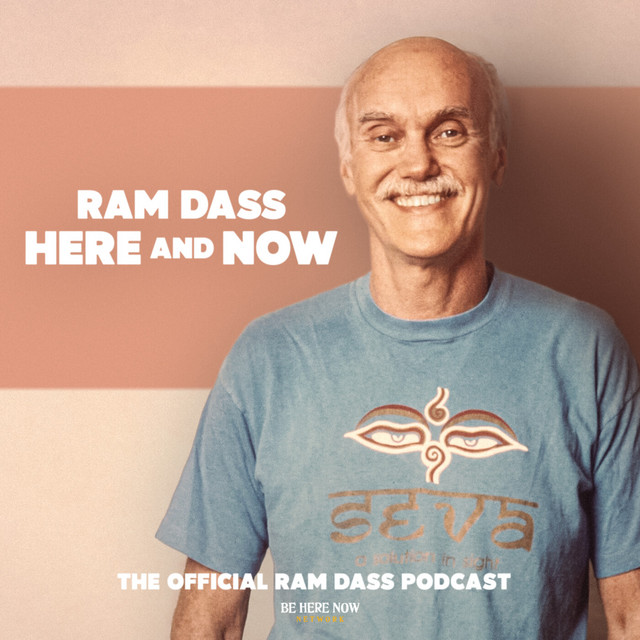
The inclusion of Ram Dass, GuruGanesha Singh, and other practitioners in this live performance amplifies this effect. Each voice carries the imprint of their individual practice, yet they sing in unison, creating a unified field of intention. This is how traditional spiritual practices work: not through intellectual understanding alone, but through resonance, presence, and energetic transmission.
How Does Ong Namo Relate to Kundalini Awakening?
Kundalini refers to dormant spiritual energy believed to reside at the base of the spine. Kundalini yoga is a technology designed to safely awaken and channel this energy upward through the chakras—energetic centers—toward higher consciousness and spiritual illumination. Ong Namo is the foundational invocation that opens the pathway for this work.
By bowing to the infinite creative consciousness at the beginning of practice, the practitioner acknowledges that awakening is not something the ego accomplishes alone. It requires alignment with grace, divine wisdom, and forces beyond individual will. This humility and receptivity create the neurological and energetic conditions necessary for deeper transformation. Without this foundation of reverence and surrender, Kundalini yoga practices can create imbalance or disturbance in the nervous system.
The mantra essentially says: "I am opening myself to receive wisdom. I am aligning with the infinite creative force. I am not doing this alone." This psychological and spiritual orientation is the prerequisite for safe and effective Kundalini practice.
Where to Go From Here
If you are new to Kundalini yoga or kirtan (devotional chanting), begin by listening to and chanting Ong Namo regularly—ideally at the start of your day or before meditation. The mantra requires no special equipment or prior experience. Simply sit comfortably, take a few deep breaths, and chant "Ong Namo" while silently setting an intention to align with your highest wisdom.
For deeper exploration, seek out live Kundalini yoga classes where teachers trained in this lineage can guide the practice. The transmission through a living teacher is exponentially more powerful than self-study alone. Recordings like this live concert performance by Snatam Kaur and GuruGanesha Singh offer accessible entry points into the vibrational frequency of the mantra, but an in-person practice community provides the full benefit of energetic resonance and guidance.
Consider exploring the broader Kundalini yoga tradition through books, recordings, and workshops. The more you understand the philosophy, physiology, and spiritual science behind the practices, the more deeply you can participate in your own transformation. Ong Namo is a beginning—a doorway into a vast system of consciousness development that has been refined and transmitted across centuries.