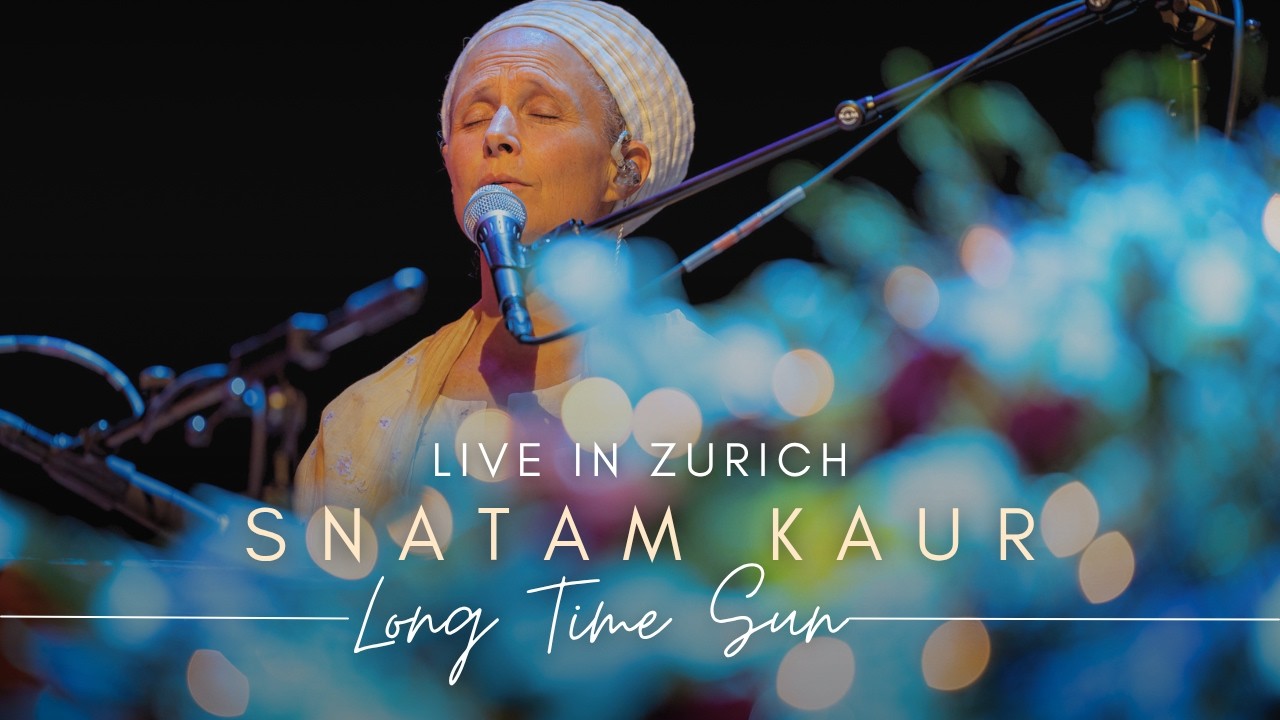
Ra Ma Da Sa is one of the most widely recognized healing mantras in Kundalini yoga, traditionally used to invoke protection, healing, and divine grace. The mantra works with elemental and cosmic energies—Ra (sun), Ma (moon), Da (earth), and Sa (infinity)—creating a vibrational frequency believed to support physical and emotional wellbeing. This classical mantra, recorded by Snatam Kaur and featured in her album Grace, has become a cornerstone of contemporary spiritual music and healing practice.
What Is the Ra Ma Da Sa Mantra?
Ra Ma Da Sa is a foundational mantra within Kundalini yoga practice, designed to direct healing energy toward oneself and others. The four syllables correspond to fundamental forces in both ancient Vedic cosmology and human experience. Ra represents the sun—the source of vitality, energy, and life force (prana). Ma invokes the moon, associated with the mind, intuition, and emotional balance. Da calls upon the earth, grounding energy and connecting to physical well-being and stability. Sa, meaning infinity or the infinite self, extends the mantra's reach beyond the individual to universal consciousness and divine grace.
When chanted or listened to, the mantra is believed to activate these energetic principles within the body and consciousness, creating a coherent field of healing intention. The practice is not merely symbolic—practitioners and teachers in the Kundalini tradition report that the specific sounds and their corresponding frequencies work on the nervous system and energy channels (nadis) of the body.
How Does Ra Ma Da Sa Function as a Healing Tool?
In Kundalini yoga, sound (shabda) is understood as a primary medium of transformation. Each syllable carries vibrational and neurological effects. Ra Ma Da Sa is chanted with a specific rhythm and breath pattern that engages the parasympathetic nervous system, moving the body out of fight-or-flight mode into a state of relaxation and healing capacity.
The mantra operates on several levels:
- Energetic: It is said to balance and activate the seven chakras, particularly the heart center, which is associated with healing and compassion.
- Neurological: The repetition of the sounds stimulates the vagus nerve and can influence brain wave patterns, moving practitioners toward alpha and theta states conducive to healing.
- Psychological: The practice creates a focused intention toward wellness and shifts attention away from pain or illness toward wholeness.
- Spiritual: Chanting or listening to the mantra opens consciousness to grace—the belief that healing comes not solely from individual effort but from alignment with larger forces.
Snatam Kaur's recording of Ra Ma Da Sa, produced with musician Thomas Barquee on her album Grace, brings this ancient practice into contemporary musical form. Her version is designed for both active practice (group or individual chanting) and receptive listening, making the mantra accessible to modern practitioners who may not have formal Kundalini yoga training.
What Are the Origins and Traditional Use of This Mantra?
Ra Ma Da Sa comes from the Kundalini yoga tradition as taught in the West primarily through Yogi Bhajan, who brought Kundalini practices from India to North America beginning in the late 1960s. The mantra itself has roots in ancient Vedic and yogic texts, where the invocation of celestial and elemental forces for healing is a recognized practice.
Traditionally, the mantra is used in several contexts: as part of healing meditations for oneself or others, in group settings where practitioners direct healing energy toward someone who is ill or struggling, and as a background practice during yoga and meditation. The mantra can be chanted aloud (kirtan), whispered, or simply listened to, with each approach creating slightly different effects. Listening receptively, as with Snatam Kaur's recording, is particularly valuable for those who are very ill or energetically depleted and cannot actively chant.
How Is Ra Ma Da Sa Pronounced and Practiced?
The pronunciation of Ra Ma Da Sa is relatively straightforward: RAH MAH DAH SAH. Each syllable receives equal emphasis and duration. When chanting, practitioners often repeat the mantra in cycles, either for a specific duration (such as 11 minutes, 31 minutes, or 2.5 hours) or until a sense of completion arises.
The mantra can be practiced in several ways:
- Silent meditation: Repeating the mantra mentally while seated in a meditative posture.
- Audible chanting: Speaking or singing the mantra aloud, either alone or in a group.
- Listening practice: Playing a recording like Snatam Kaur's version and allowing the vibrations to work on the nervous system and energy field.
- Hands-on healing: Some practitioners chant Ra Ma Da Sa while placing hands on another person, directing healing energy toward them.
When practicing actively, breath is coordinated with the mantra—typically one breath cycle per full recitation of Ra Ma Da Sa. This breath-mantra synchronization deepens the neurological and energetic effects.
Who Uses Ra Ma Da Sa Today?
Ra Ma Da Sa has become one of the most popular healing mantras in contemporary spiritual practice. Yoga teachers, Kundalini practitioners, meditation instructors, and energy healers regularly incorporate it into their work. The mantra is used in hospitals, hospices, and wellness centers where sound and vibrational healing are recognized as complementary to conventional medicine.
Snatam Kaur, a world-renowned kirtan artist and Kundalini yoga practitioner, has been instrumental in bringing Ra Ma Da Sa to a global audience. Her album Grace, released in 2004, features one of the most widely recognized versions of the mantra. With over 7 million views on her YouTube recording alone, the mantra has reached practitioners, patients, and seekers across all continents and spiritual backgrounds.
The popularity of the mantra reflects both a growing interest in Eastern healing practices and a recognition that sound, intention, and consciousness play a role in health and recovery. Many people use Ra Ma Da Sa not as a replacement for medical care but as a complementary practice that supports the body's natural healing capacity and opens consciousness to dimensions of wellness beyond the purely physical.
What Is the Deeper Meaning Behind the Four Syllables?
Each syllable of Ra Ma Da Sa addresses a different dimension of existence and healing:
Ra is the sun principle—the active, dynamic, masculine energy of creation, illumination, and vital force. It rules the day cycle, conscious awareness, and the will to heal and transform.
Ma is the moon principle—the receptive, reflective, feminine energy of intuition, emotion, and inner knowing. It governs the night cycle, dreams, and the capacity to receive healing and grace.
Da is the earth principle—the grounding, stabilizing energy of the body, matter, and physical manifestation. It connects us to gravity, roots, and the material world in which healing must occur.
Sa is infinity—the transcendent principle of unlimited consciousness, divine source, and the reality that transcends individual identity. Sa reminds practitioners that healing is not limited to the isolated self but arises from connection to something larger.
Together, these four forces create a complete healing field. Ra without Ma becomes overly aggressive; Ma without Ra lacks direction; Da without Sa becomes materialistic; and Sa without Da becomes ungrounded. The mantra invokes the wholeness that arises when all dimensions are balanced and aligned.
How Does Listening to Snatam Kaur's Version Work?
Snatam Kaur's recording of Ra Ma Da Sa is distinguished by her clear voice, the meditative quality of the production, and the integration of the mantra with subtle musical accompaniment by Thomas Barquee. Her approach honors both the traditional Kundalini yoga roots of the practice and the contemporary context in which people encounter healing music.
When listening to the recording, the listener does not need to actively participate—the mantra's vibrational quality is transmitted through the audio. This is significant for people who are healing from illness, injury, or emotional trauma and may not have the energy to chant actively. The repetitive structure of the mantra and the consistency of Snatam Kaur's voice create a rhythmic, trance-like state that can calm the nervous system, reduce pain perception, and open the body to its innate healing capacity.
Research in sound healing and vibrational medicine suggests that sustained exposure to specific frequencies and mantras can influence heart rate variability, reduce cortisol (the stress hormone), and enhance immune function. While formal clinical studies on Ra Ma Da Sa specifically are limited, the mechanisms by which mantra and sound affect the body are increasingly recognized in neuroscience and psychoneuroimmunology.
Where to Go From Here
If you wish to explore Ra Ma Da Sa, begin by listening to Snatam Kaur's recording with receptive attention. You need not believe in any particular spiritual framework for the practice to have an effect—simply allow the sounds to work on your nervous system.
If you are interested in deeper practice, consider exploring Kundalini yoga classes that teach the mantra in context, or learning the basic chant yourself and practicing for 11 minutes daily for 40 days—a traditional cycle in Kundalini practice believed to create lasting neural and energetic change.
For those working with illness or grief, Ra Ma Da Sa can be a bridge between active healing practice and receptive surrender, between doing and being. It offers a way to invite grace into your own healing journey and to extend healing intention toward others.